Signal Curbs Mobile Screenshots to Fight AI Agent Surveillance
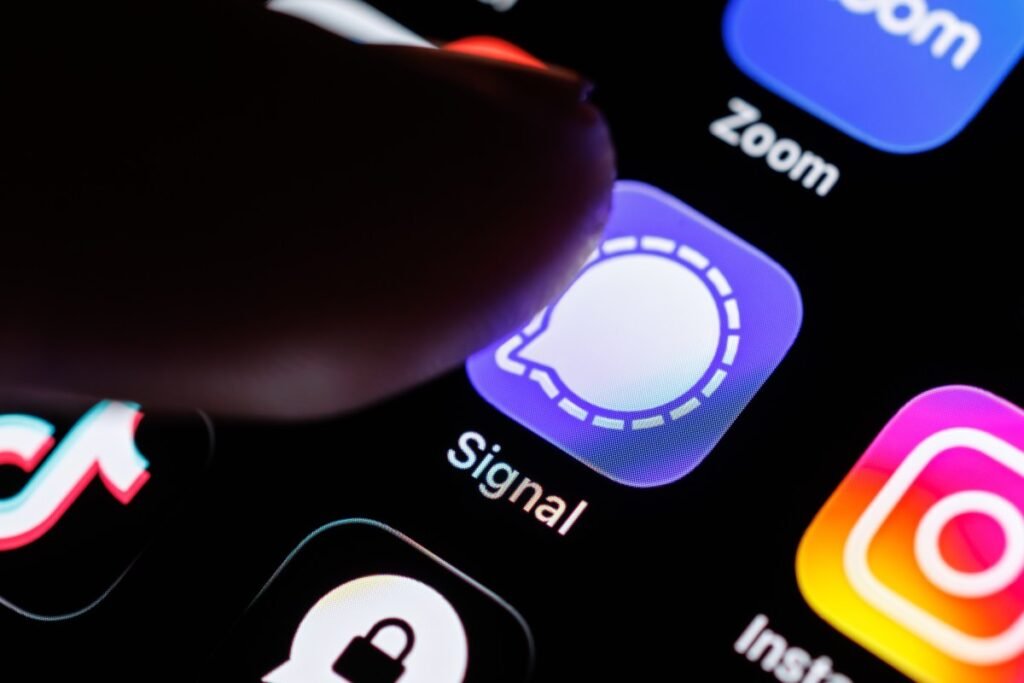
Signal announced Friday that it is limiting users’ ability to take screenshots within its secure messaging app, extending to Android and iOS a restriction it had already applied by default on Windows, according to techcrunch.com.
The company’s president, Meredith Whittaker, described the move as a response to what she called the ‘existential threat’ posed by operating systems that now integrate agentic AI. In a statement cited by TechCrunch, Whittaker said Windows, Android, and macOS/iOS are ‘undermining Signal’s ability to independently guarantee privacy’ by allowing AI agents to scan information displayed on users’ screens.
Whittaker said sensitive data is increasingly being ‘captured, stored, and made accessible to whatever local database or remote server an OS-level AI agent is using at that moment.’ She added that once captured, this data falls outside Signal’s control, putting at risk the privacy of everyone involved in a conversation.
Users will be able to disable the new screenshot restriction if they choose, but Whittaker warned that doing so would ‘break our privacy guarantees.’ She also acknowledged the fix is incomplete, noting it does not address other, less visible ways that AI agents could potentially access application data.
The update marks one of the most direct responses yet from a major messaging platform to the privacy risks introduced by operating-system-level AI agents, which are designed to observe and act on on-screen content across apps. Signal’s move signals growing tension between AI platform vendors building agentic features into consumer operating systems and privacy-focused app developers trying to maintain end-to-end confidentiality guarantees for their users.
Based on reporting by techcrunch.com.